

By Polco on April 20, 2026
A Practical Guide to Building Continuous Community Dialogue
What if resident feedback wasn’t a one-time event, but an ongoing conversation that actively shaped policy decisions every day?
That’s exactly what leading cities are doing. Instead of relying on occasional town halls or annual surveys, they are creating continuous engagement ecosystems powered by surveys, polls, project updates, and real-time communication tools.
Here’s how your city can do the same.
Step 1: Start with Reliable, Representative Feedback
Every meaningful policy change begins with understanding what residents actually need.
Modern cities are using benchmark surveys and targeted feedback tools to gather both broad and deep insights. These tools go beyond surface opinions. They measure community satisfaction, identify service gaps, and highlight priorities across areas like housing, safety, and transportation.
How to apply this:
- Launch a scientifically valid benchmark survey to establish a baseline.
- Supplement with open participation surveys to widen engagement.
- Use demographic data to ensure all voices are represented.
Why it matters:
When feedback is representative and data-driven, it becomes a credible foundation for policy decisions, not just anecdotal input.
Step 2: Turn Surveys Into Ongoing Conversations
Collecting feedback is just the beginning. The real shift happens when cities create continuous dialogue loops.
With modern engagement platforms, residents don’t just respond once. They interact regularly through:
- Quick polls on emerging issues
- Follow-up surveys to test ideas
- Content posts explaining decisions
- Real-time updates on initiatives
These tools create a living, breathing feedback system where participation is always open.
How to apply this:
- Break large initiatives into smaller feedback moments.
- Use polls to validate ideas before formal decisions.
- Keep engagement opportunities visible and easy to access.
Why it matters:
Ongoing engagement builds familiarity and trust. Residents feel heard not once, but consistently.
Step 3: Centralize Engagement in One Accessible Experience
One major barrier to participation is fragmentation. If residents don’t know where to go, they don’t engage.
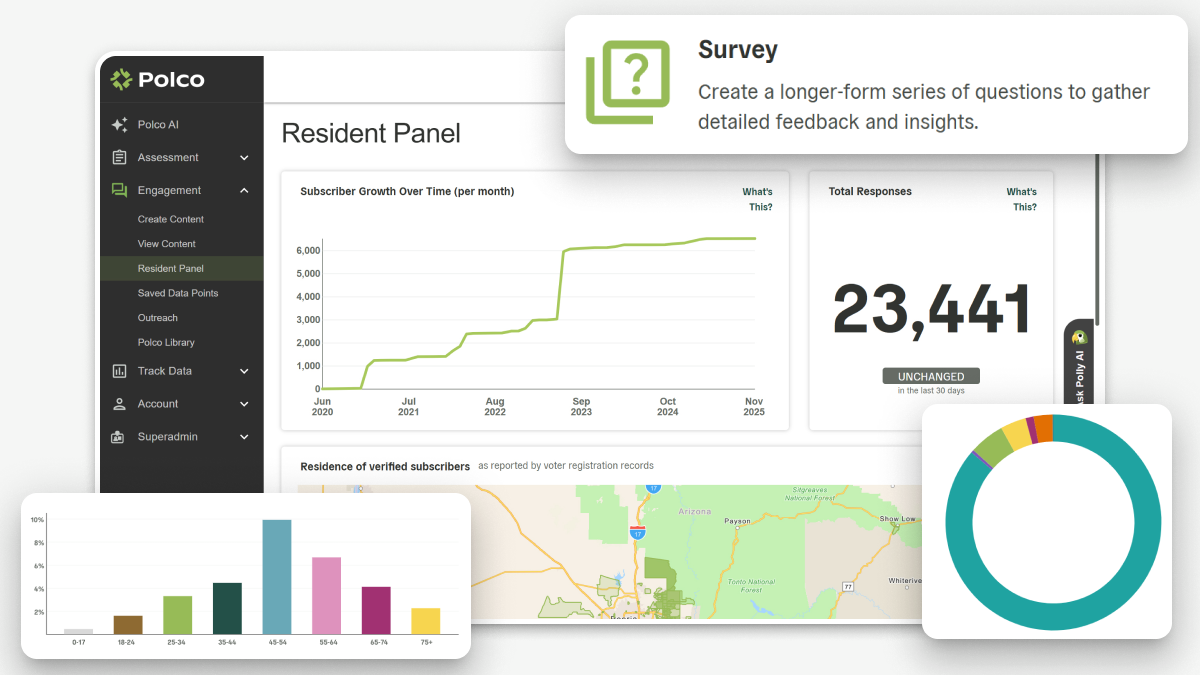
Leading cities solve this by creating a central hub for civic interaction, where everything lives in one place. On platforms like Polco, residents can:
- Take surveys and polls
- View updates and announcements
- Follow projects and initiatives
- Explore data visualizations
All within a single, personalized feed.
How to apply this:
- Consolidate engagement tools into one digital experience.
- Personalize content based on location or interests.
- Make participation mobile-friendly and frictionless.
Why it matters:
Accessibility drives participation. The easier it is to engage, the more voices you capture.
Step 4: Connect Feedback Directly to Policy Decisions
Feedback only matters if it leads to action.
High-performing cities link resident input directly to:
- Strategic planning
- Budget decisions
- Policy design
- Program development
For example, communities are using engagement data to shape everything from homelessness strategies to infrastructure investments. In many cases, resident input not only informs decisions but validates and strengthens them in front of stakeholders and elected officials.
How to apply this:
- Identify top trends and priority areas in your data.
- Align initiatives with clearly expressed community needs.
- Use engagement data to support policy recommendations.
Why it matters:
When policies reflect real community input, they gain legitimacy and public support.
Step 5: Close the Loop with Transparent Communication
One of the biggest mistakes cities make is failing to report back. Residents want to know: Did my input actually matter?
Successful cities build trust by:
- Sharing survey results publicly
- Explaining how feedback influenced decisions
- Providing regular progress updates
- Highlighting outcomes and improvements
This transparency transforms engagement into a two-way relationship, not a one-sided request for input.
How to apply this:
- Publish clear, accessible summaries of findings.
- Use visuals and storytelling to explain outcomes.
- Provide regular updates on project progress.
Why it matters:
Closing the loop reinforces participation. When residents see results, they are more likely to engage again.
Step 6: Build Engagement Into Your Policy Cycle
The most effective cities don’t treat engagement as a one-off initiative. They embed it into their ongoing governance model.
This includes:
- Annual or recurring benchmark surveys
- Continuous feedback during project lifecycles
- Integration with budgeting and strategic planning
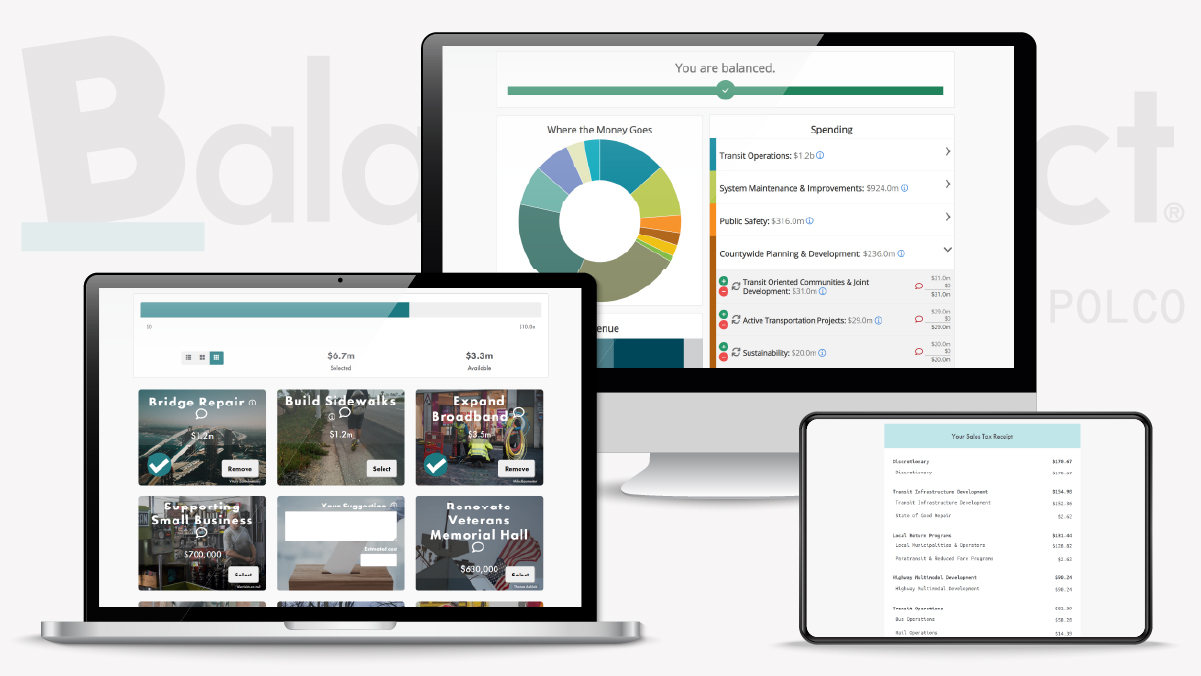
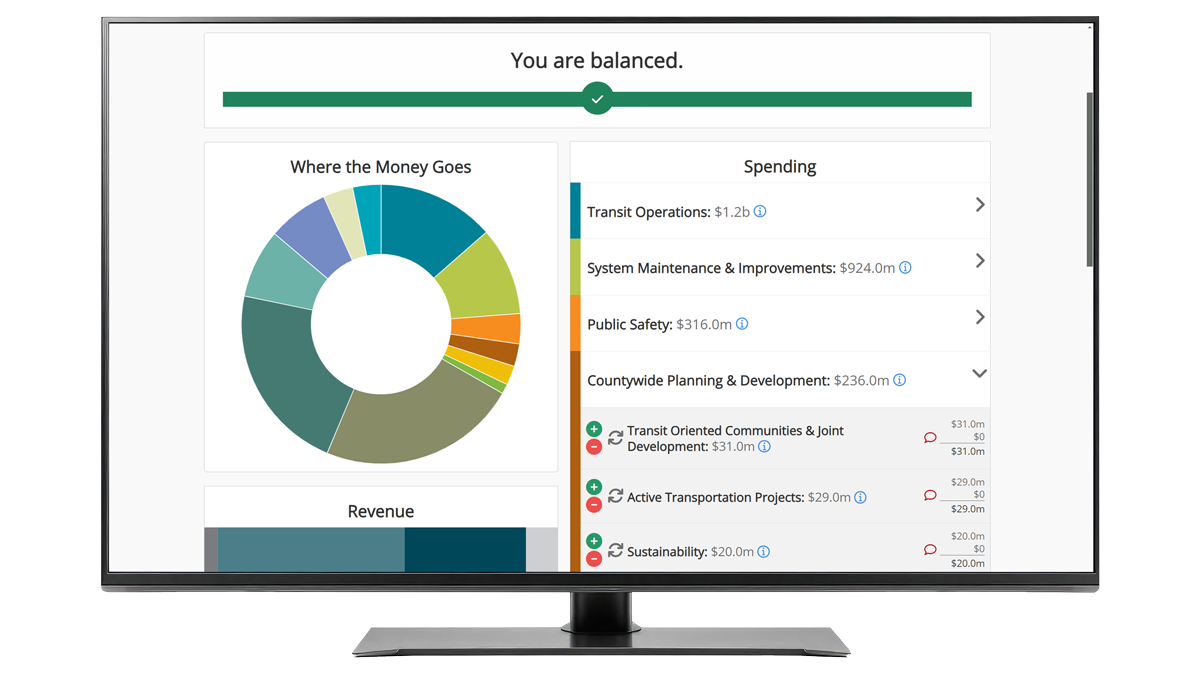
Modern budgeting frameworks, for example, now emphasize interactive, two-way communication with residents to guide trade-offs and priorities.
How to apply this:
- Align engagement timelines with policy and budget cycles.
- Use recurring surveys to track progress over time.
- Continuously refine strategies based on new input.
Why it matters:
Policy becomes adaptive, not static. Cities can respond to changing needs in real time.
The Big Picture: From Feedback to Real Change
Here’s what this all adds up to... Cities that succeed in turning feedback into policy change follow a simple but powerful cycle:
- Collect reliable, representative input
- Engage continuously through multiple tools
- Centralize participation in one accessible platform
- Act on insights to shape decisions
- Report back with transparency
- Repeat as part of an ongoing system
This is more than engagement. It’s a shift toward community-driven governance.
Final Thought
Resident feedback is no longer just a checkbox in the decision-making process. It is becoming the engine behind it.
When cities create continuous dialogue through surveys, polls, and real-time updates, they don’t just gather opinions. They build alignment, trust, and better outcomes.
And ultimately, that’s how feedback becomes policy.
Want to see how this works in practice?
Explore how Polco helps governments turn community input into confident decisions, every day.

Reimagining Public Budgets: The Beginning of Balancing Act (Now a Polco Tool)
What Residents Learn When You Show Them the Trade-Offs