Every finance director knows what a bad budget season costs in the obvious ways: staff hours, consultant fees, the political capital spent defending line items. What's harder to put a number on is the cost of a budget season where residents walk away feeling like decisions happened to them instead of with them. That cost doesn't show up in this year's ledger. It shows up next year, and the year after, as declining trust that makes every future decision harder to make and harder to defend.
The compounding problem
Trust doesn't reset each budget cycle. It carries forward. A community that felt blindsided by last year's cuts doesn't arrive at this year's budget conversation neutral. They arrive skeptical, already assuming the outcome is decided, already primed to see the process as theater.
Edmonds School District felt this directly. Entering its 2025-26 budget season with a projected deficit between $7 and $10 million, the district wasn't dealing with a first-time hard decision. It had already made difficult cuts in prior years, and few easy options were left. Its traditional workshops and Zoom sessions kept running into the same wall: low turnout, particularly from busy working families, and a recurring complaint that had become almost a ritual by that point: "We didn't even know this was happening."
That's the compounding cost in plain language. Each cycle where residents feel uninformed makes the next cycle's engagement harder, because there's less goodwill left to draw on. Staff end up spending more energy managing frustration and less energy on the actual analysis and decision-making the budget requires.
What erodes when residents don't understand the tradeoffs
When a budget lands without context, residents don't experience it as a set of hard tradeoffs made under real constraints. They experience it as a decision that was made about them, without them. That distinction matters more than it might seem.
A resident who understands that 90% of a budget is legally locked into mandated spending reacts very differently to a cut than one who assumes everything was on the table and something else could have been saved instead. Without that context, every unpopular decision reads as a choice rather than a constraint, and choices invite blame in a way constraints don't.
This is part of what LA Metro was responding to when it rebuilt its approach to budget communication. Riders had pushed back on proposed fare increases, arguing the changes felt modeled on cities with far more extensive transit coverage, like London or Berlin, without accounting for LA's different system. That kind of pushback is what happens when a proposal shows up without the reasoning behind it. Metro's response wasn't to defend the fare increase harder. It was to build a tool that let riders see the actual budget picture, the actual constraints, and the actual tradeoffs behind decisions like that one, before the decisions were finalized rather than after.
The cost shows up in the next room, too
Trust erosion doesn't stay contained to public perception. It shows up inside government too. When a budget process runs on defense, department heads spend meetings preparing to justify decisions rather than working through them collaboratively. Elected officials spend public comment periods managing frustration rather than gathering usable input. Staff time that could go toward analysis goes toward damage control instead.
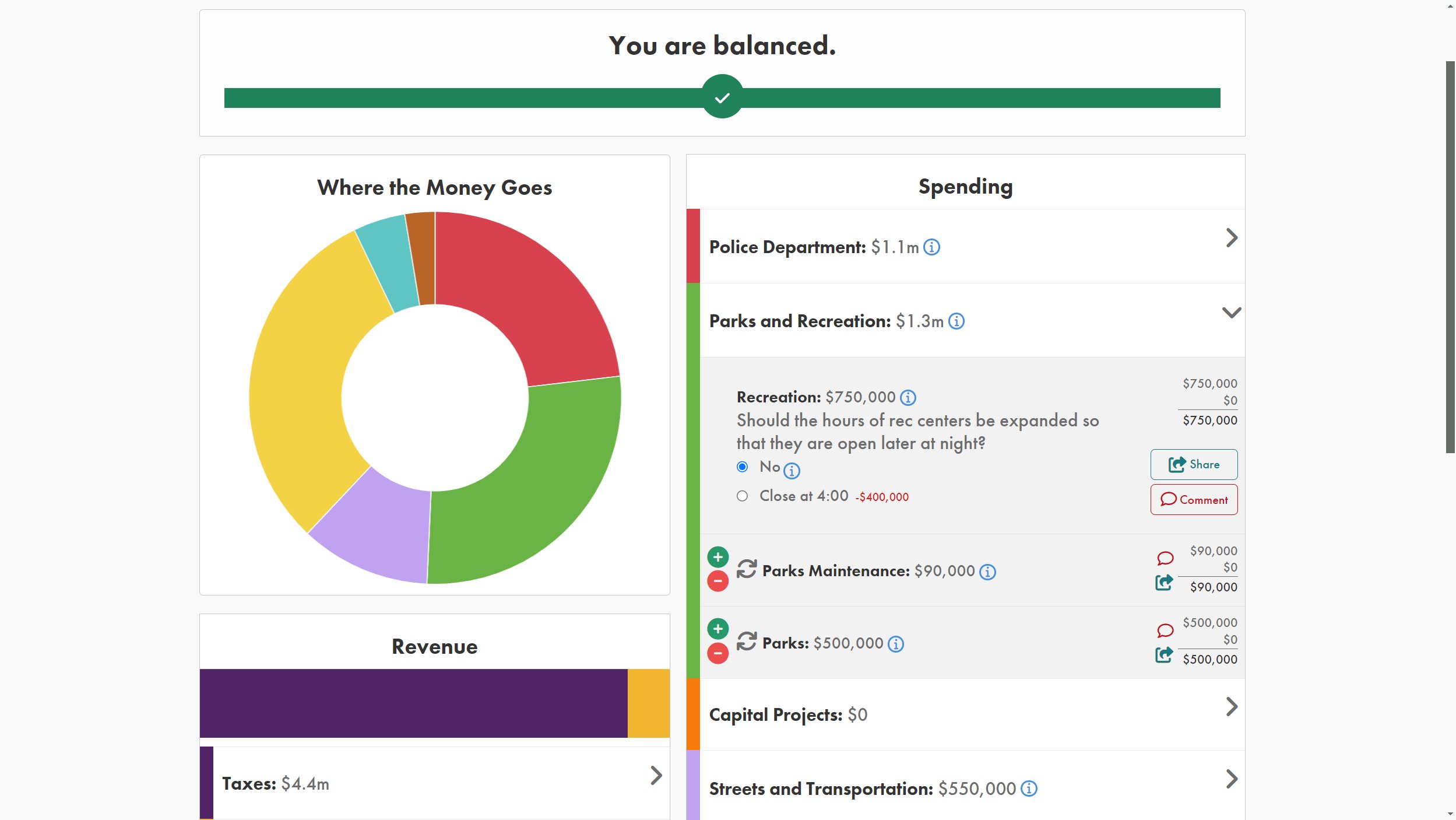
Edmonds found the opposite dynamic when it changed its process. Bringing residents into a real simulation of the budget, rather than a presentation about it, didn't just improve public sentiment. It changed internal dynamics too. Finance, communications, and the superintendent's office worked together on the simulation's structure and language, and the school board reviewed it directly in study sessions. Superintendent Rebecca Miner noted that the feedback the tool produced was invaluable to her and the board as they navigated genuinely difficult decisions. That's a very different internal experience than a budget season spent fielding complaints about a lack of transparency.
Why "This was really hard" is a good sign
One detail from the Edmonds process is worth sitting with. A recurring comment from residents working through the simulation was some version of "this was really hard." District leaders took that as a mark of success, not a warning sign. It meant residents were genuinely engaging with the complexity of the decisions rather than reacting to a headline number.
That's the opposite of what happens when a budget lands without context. A budget residents don't understand produces easy reactions: anger, suspicion, oversimplified blame. A budget residents work through themselves produces something harder to manufacture and far more valuable: empathy for the difficulty of the job, even from people who don't love the outcome.
Paying down the cost instead of compounding it
The good news is that this cost isn't fixed. Edmonds didn't inherit a trusting community by accident. It built one, deliberately, by giving residents the same information and the same constraints staff were working with. Over two budget cycles, that approach produced more than 14,000 pageviews, nearly 2,000 hours of resident engagement time, and over 2,200 completed budget submissions, along with something harder to quantify: a shift from residents reacting to decisions to residents participating in them.
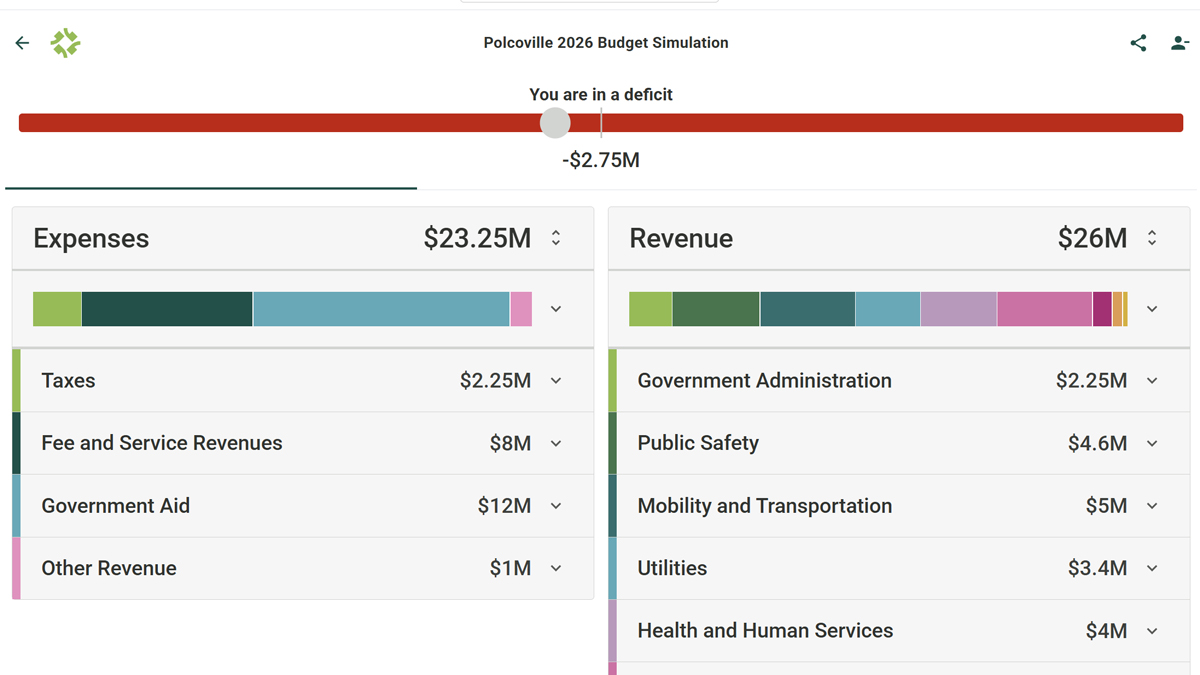
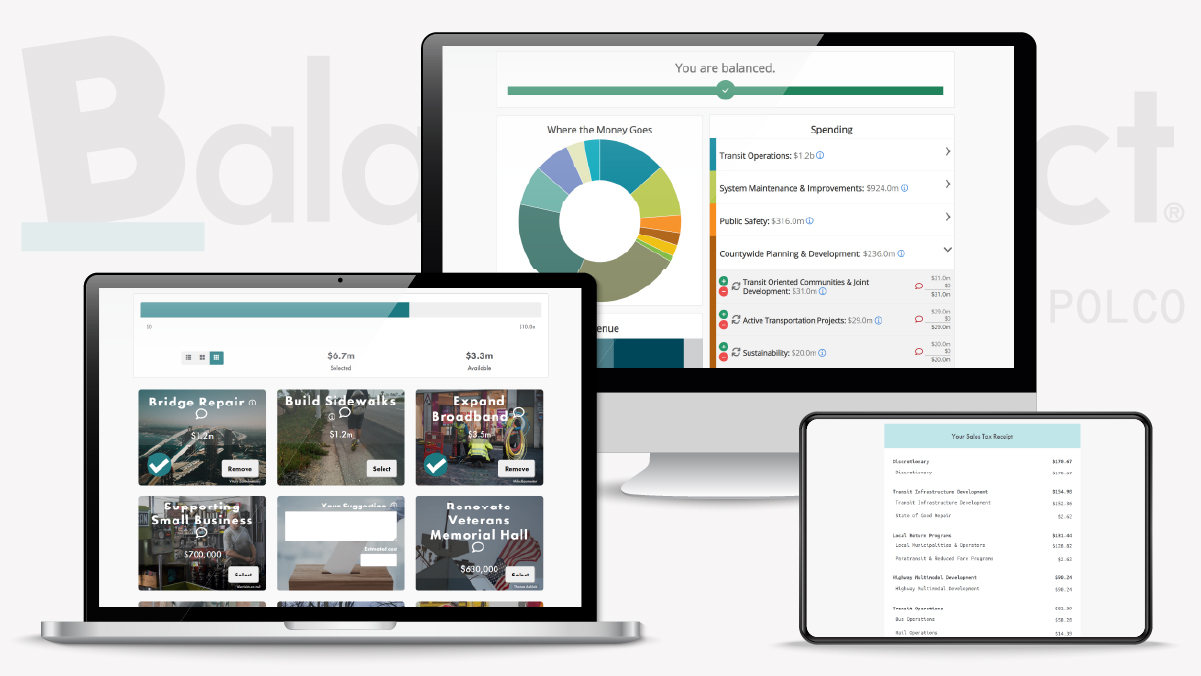
Polco's Budget Simulation exists to make that shift accessible without requiring a crisis to force it. Rather than waiting for a deficit to make transparency urgent, governments can build the same kind of understanding proactively, before trust erodes rather than after.
The real question isn't whether your community will eventually push back on a budget decision. It's whether they'll push back from a place of understanding or a place of feeling shut out. One of those conversations is hard. The other is corrosive.
Want to start building that trust before your next hard budget decision?
Request a Demo or Try Polco Free to see how Budget Simulation can change the tone of your next budget season.
Learn more about Polco's Budget Simulation >>