
By Polco on January 23, 2026
A Step-by-Step Look at Turning Feedback into Action
You ran the survey. Residents responded. The data is in. Now comes the most important part.
Too often, surveys are treated like a finish line. In reality, they are the starting line. The moment a survey closes is when residents are watching most closely, asking one simple question:
What happens now?
Here’s a clear, practical look at what effective communities do after the survey ends. And how they turn feedback into visible action that builds trust instead of skepticism.
Step 1: Close the Loop Quickly and Publicly
The first rule of post-survey success is simple. Do not disappear.
Residents gave their time, opinions, and trust. If they hear nothing back, the message they receive is loud and clear, even if unintentional.
What to do immediately:
- Share a high-level results summary within weeks, not months
- Acknowledge participation and say thank you
- Highlight a few clear takeaways, not every chart
This does not need to be a full technical report on day one. A short post, email, or presentation that says “Here’s what we heard” goes a long way.
Why it matters: communities that share results consistently see higher participation in future surveys and stronger confidence in decision-making .
Step 2: Translate Data Into Plain Language
Survey data is powerful, but only if people understand it. Percentiles, benchmarks, and cross-tabs mean something to analysts. Residents want to know what it means for their daily lives.
Strong result-sharing does three things:
- Explains what is going well
- Names what needs improvement
- Provides context using benchmarks or trends
Instead of saying: “Satisfaction with mobility scored below the national benchmark.”
Say: “Residents are telling us traffic and transportation are a growing concern, especially compared to similar communities.”
Clear language builds credibility. It also prevents misinformation from filling the gap.
Step 3: Prioritize. You Cannot Do Everything at Once.
One of the biggest mistakes communities make after a survey is trying to respond to every data point at the same time. Residents do not expect perfection. They expect focus.
Effective prioritization looks like:
- Identifying 3-5 key themes
- Balancing urgency with feasibility
- Aligning feedback with strategic goals and budgets
This is where survey data becomes a decision-making tool, not just a reporting exercise. Benchmark surveys are especially valuable here because they help leaders see which issues are truly out of step with peer communities and which are long-term challenges nationwide .
Step 4: Show How Feedback Is Shaping Decisions
This is the trust-building moment. Residents do not need every idea implemented. They need to see a clear line between what they said and what leaders are doing next.
Ways communities do this well:
- Linking survey findings to strategic plans
- Referencing resident feedback during budget discussions
- Using follow-up polls or prioritization tools to refine solutions
- Calling out survey results in council meetings and public updates
Even saying “Here’s what we heard, and here’s why some things will take longer” builds more trust than silence.
Step 5: Keep Residents Engaged Beyond the Survey
A survey should never be a one-time event. The strongest engagement strategies treat surveys as part of an ongoing conversation, supported by regular updates, smaller pulse checks, and visible progress reports.
This can include:
- Posting updates on actions taken
- Inviting residents into follow-up engagement
- Sharing progress dashboards or project updates
- Celebrating wins tied directly to community input
When residents see that participation leads to action, engagement stops feeling transactional and starts feeling meaningful.
The Bottom Line: Surveys Build Trust Only When Action Follows
Running a survey is easy. Building trust takes follow-through.
When communities share results openly, prioritize thoughtfully, and keep residents in the loop, surveys become more than data collection. They become proof that listening leads to leadership.
The survey is not the finish line. It is the first step forward.
How Polco Helps Communities Turn Feedback Into Action
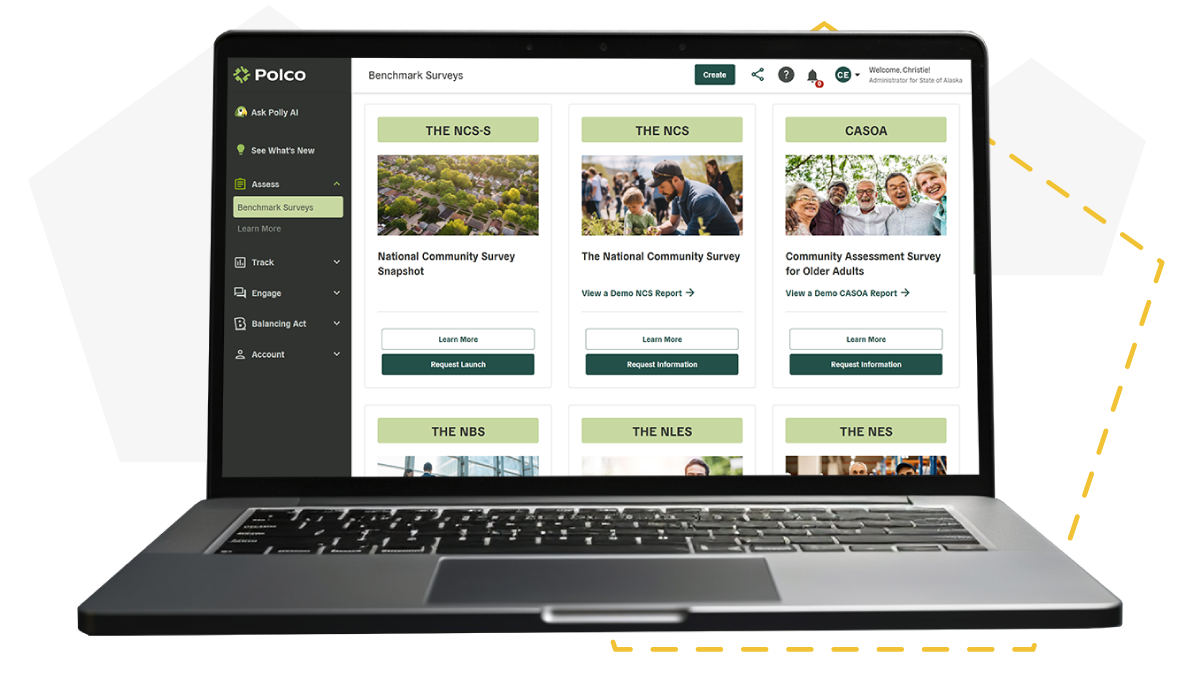
Collecting feedback is only one piece of the puzzle. The real challenge is what comes next. That’s where Polco comes in.
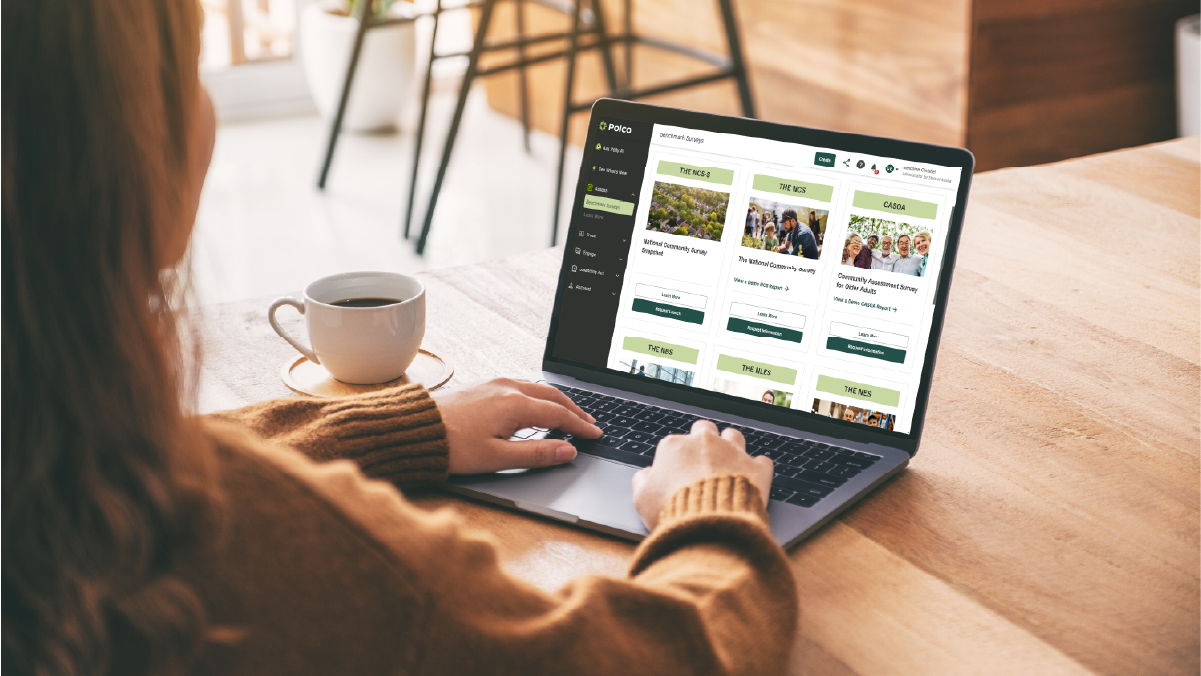
Polco is designed to support the full lifecycle of community engagement, not just the survey itself. From statistically valid benchmark surveys to ongoing resident communication, the platform helps communities move from listening to learning to action.
With Polco, communities can:
- Share survey results transparently using clear visuals and public-facing content
- Compare results to peer communities to prioritize what matters most
- Connect resident feedback directly to planning, budgeting, and policy decisions
- Keep residents engaged through follow-up surveys, polls, and project updates
- Show progress over time so feedback never disappears into a report
In short, Polco helps ensure that resident input does not stop at data collection. It becomes part of an ongoing conversation that builds trust, accountability, and better outcomes.
Because when residents see their feedback shaping real decisions, engagement stops feeling symbolic and starts feeling meaningful.

In a World of Uncertainty, Your Community Already Has the Answers
How Polco Powers Strategic Planning in Five Steps