By Polco on July 20, 2026
How to show residents their voice shaped a real decision, so they keep showing up.
Ask residents to weigh in on a budget, a park plan, or a new ordinance, and many will. Ask them again six months later, after they never heard what happened to their input, and far fewer will bother. That silence is one of the most common reasons engagement dries up. People do not stop caring. They stop believing anyone is listening.
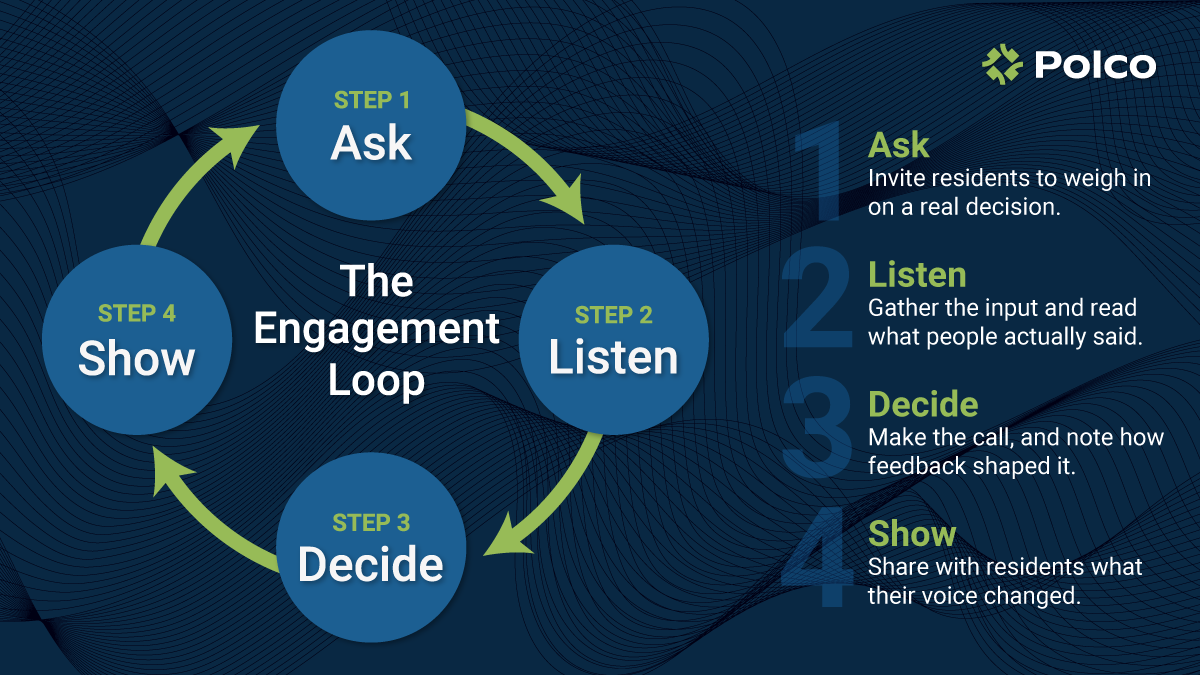
Closing the engagement loop fixes that. It means finishing the conversation you started. You collect input, you make a decision, and then you go back and show people how their feedback shaped the outcome. When residents can see the line from their comment to your choice, participation stops feeling like shouting into a void and starts feeling like real influence. That is the whole game.
Why the loop breaks
Most engagement programs are good at the first half. They launch the survey, promote the poll, and gather thoughtful responses. Then the results go into a report, the report goes to a council packet, and residents never hear another word.
The problem is not effort. It is the missing final step. Edmonds School District saw this pattern for years. The district ran in-person workshops and Zoom sessions to explain its budget, but turnout stayed low and leaders kept hearing the same complaint from families: we did not even know this was happening. Despite real work on transparency, the district found itself playing defense year after year.
When people feel left out of the outcome, they conclude their time was wasted. The next invitation to participate lands on skeptical ears.
What closing the loop actually looks like
Closing the loop is not a thank-you email. It is showing your work. Done well, it does four things at once:
- demonstrates that input was valued
- builds trust in the process
- shows transparency in how the decision got made
- encourages people to participate again next time
Decatur built its whole approach around this idea. Leaders there treat feedback as a continuous process rather than a one-time ask. After a session surfaced themes like affordable housing, transportation, and civic engagement, the city held a follow-up meeting so residents could refine those themes and weigh in on specific goals. Then, crucially, officials went back and shared how resident input would be used.
The result, in the words of one Decatur leader, was a cycle of trust that strengthened the sense of community. That is the payoff. Communicating the plan back to residents did as much for engagement as collecting it in the first place.
The psychology behind it
People participate when they believe participation matters. Transparent, visible results reinforce that belief. When residents can pull up a clear chart of how the community responded, read the decision that followed, and see the next steps, the value of their voice becomes concrete instead of theoretical.
This is why closing the loop compounds over time. Each visible outcome makes the next ask more credible. Skepticism gives way to habit. Edmonds saw this when it moved from one-way presentations to an interactive budget experience. Across two budget cycles, the tool drew more than 14,000 pageviews, nearly 2,000 hours of engagement, and over 2,200 completed submissions. Residents did not just click through. They left comments and ideas the district had not considered. As Superintendent Rebecca Miner put it, it would be impossible to overstate the benefit of that feedback while navigating difficult decisions.
That level of participation does not happen when people think their input disappears. It happens when they trust the process.
How to close the loop in practice
You do not need a new communications team to do this well. You need a repeatable habit and the right tools.
Share results the moment engagement closes.
When a poll or survey ends, publish the results back to the people who responded. Sharing outcomes closes the feedback loop, demonstrates that input was valued, and builds trust for the next round. Visual results also let participants see how the rest of the community responded, which keeps them interested.
Give every initiative a home.
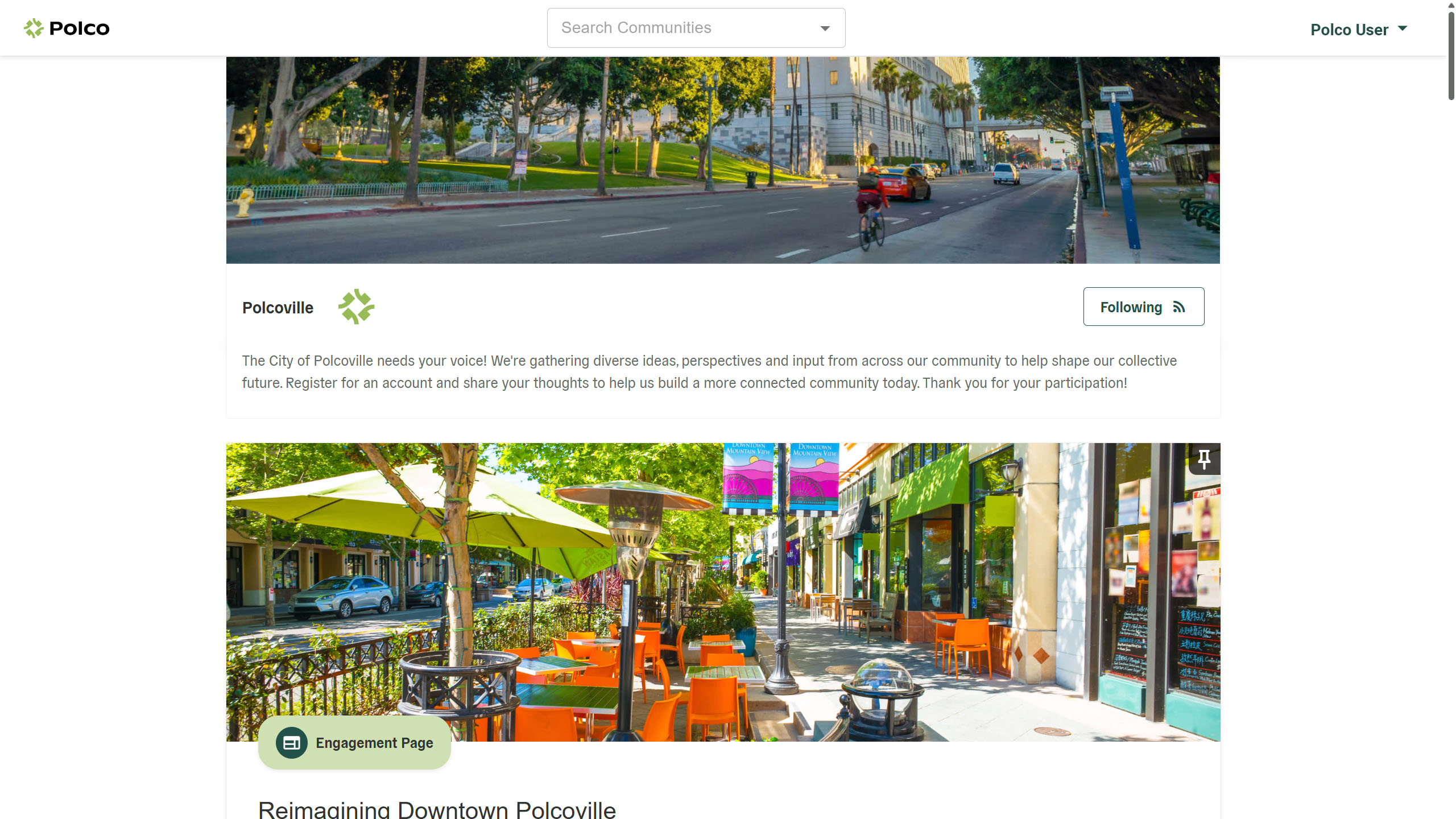
Use an engagement page to gather related polls, surveys, simulations, and updates in one place. A single hub creates a historical record of how community input shaped decisions, and it makes the loop visible at a glance. Residents can watch a project move through its phases instead of guessing whether anything happened.
Report back with a content post.
After a decision, publish a short update that connects the dots. A content post can carry the story, embed charts and data visualizations from your dashboards, and link to the surveys or projects behind the outcome. This is where you say, plainly, here is what you told us and here is what we did.
Make transparency the default in the feed.
Let residents view past results in clear visual formats and link those results to council decisions, plan updates, and next steps. Add status updates, final decisions, and thank-you messages. Transparency reinforces the value of participation and keeps people coming back.
The practical takeaway
Build the follow-up into your engagement plan before you launch, not after. For every survey or poll you send, decide in advance how and when you will report the results back. Put the report-back on the calendar the same day you schedule the launch. That single habit turns one-time responders into a community that expects to be heard, and shows up because it is.
Feedback is only half the work. The follow-up is what earns you the next response.
Ready to close your engagement loop?
See how Polco helps you gather input and report results back in one connected platform.

|

|
Open Participation
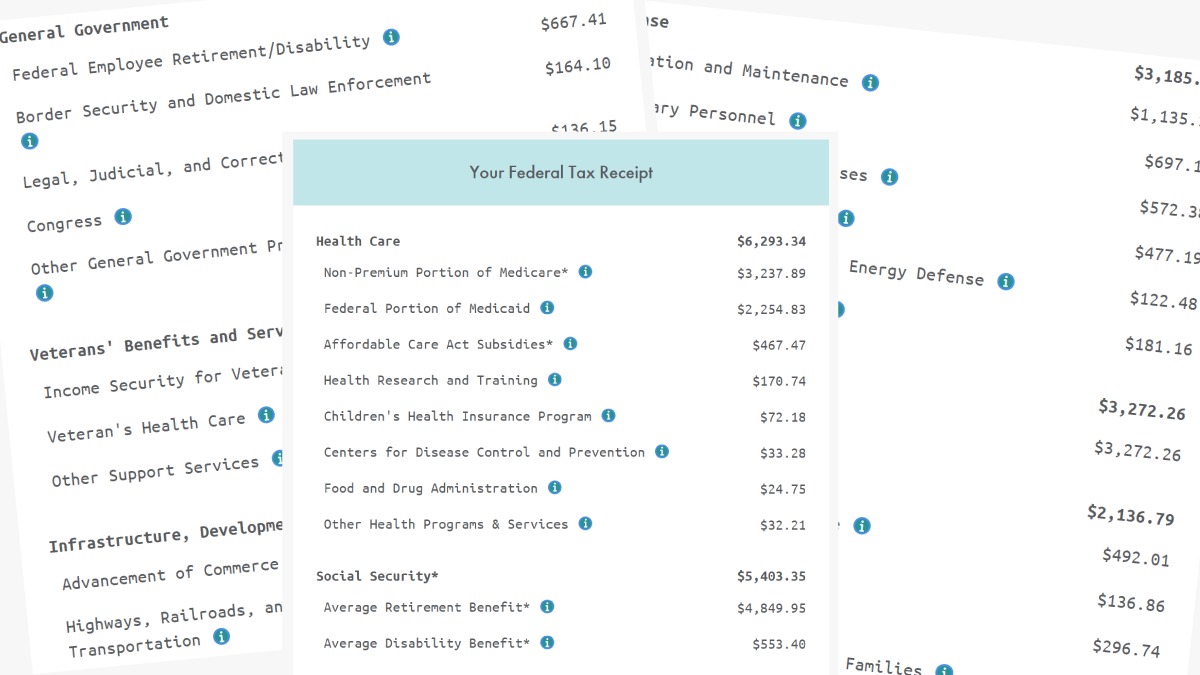
Where Do Our Tax Dollars Go?